



| Pesticide class | Herbicide |
|---|---|
| Active ingredient | Atrazine |
| Formulation | 80%WP |
| Resistance group | HRAC:C1 |
| PHI | PHI for this Herbicide has not been reported |
| Acute Oral LD 50 for Rats | 1869mg/kg |
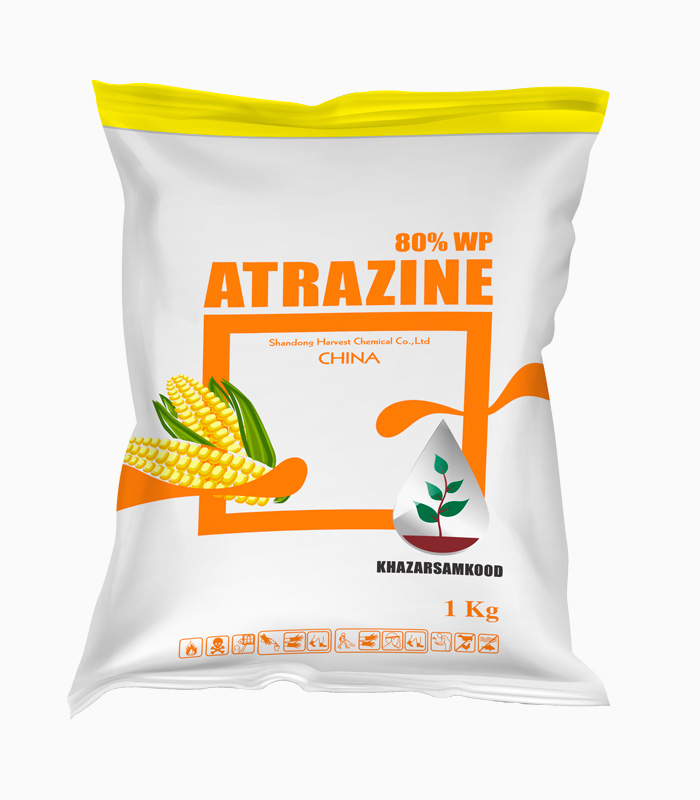
Atrazin 80% WP
It is a selective, systemic herbicide of Triazine group, which inhibits the Photosynthesis at Photo-system II and interferes in other enzymatic processes. This herbicide is absorbed by the plant roots. This leads to a gradual yellowing and browning of the weeds, ultimately resulting in their death.
Additional information
Target and Dosage
Target and Dosage
| Crop | Weed | Dosage |
| Corn | Grass and Broadleaf weeds | 1-1.5Kg per Ha
1-1.5Kg per Ha+ 4-5L Acetochlor
|
| Sugarcane | 5Kg per Ha
5Kg per Ha Atrazine+ 4Lit per Ha Ametryn |
Related products
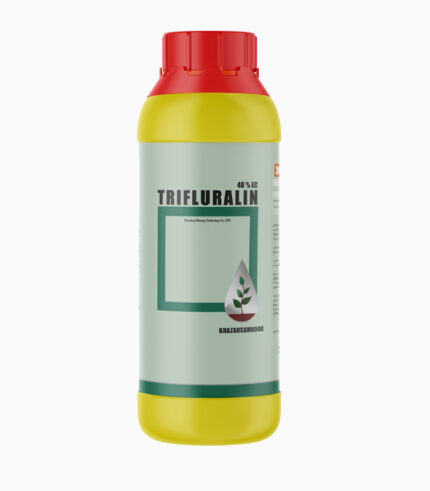
Trifluralin 48% EC
It is a selective, pre-emergence dinitroaniline herbicide which is mainly absorbed through the coleoptile and hypocotyl of weeds and prevents the germination of the weed seed through cell division blockage in the hypocotyl, as well as the development of the root system. It is not transferable in plants. Increasing the diameter of the root, causing swelling in the meristem area of the root tip, preventing the production of lateral roots are the symptoms of using this herbicide.
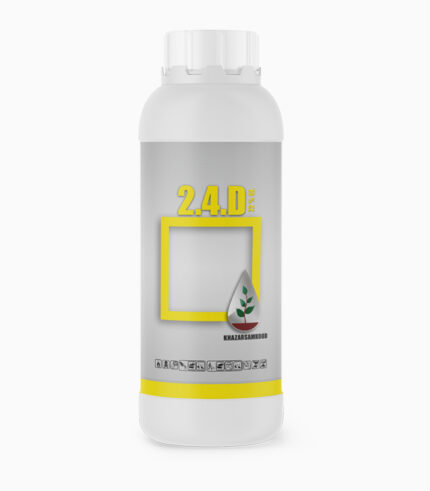
2,4-D 72%SL
It is a selective-systemic and hormonal herbicide from the phenoxy-carboxylates group and a growth inhibitor. Auxin-like herbicides cause growth disturbance through binding to auxin binding proteins, which leads to twisting, thickening and elongation of leaves and stems. This herbicide is absorbed by the aerial parts of the plant.
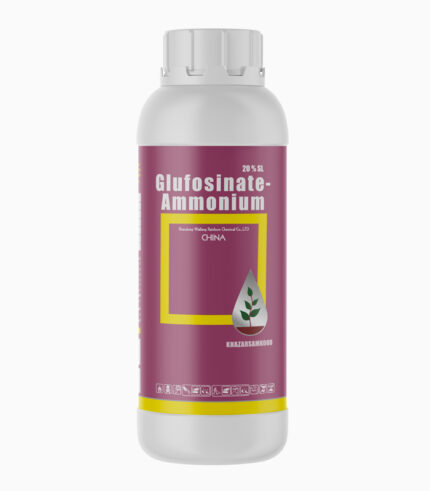
Glufosinate-Ammonium 20%SL
It is a non-selective, connected, and semi-systemic phosphonic acid herbicide inhibition of glutamine synthesis, leading to a complete breakdown of ammonia metabolism and subsequent accumulation of ammonia in tissues. This herbicide also interferes with photosynthesis. Glufosinate ammonium is used to control annual and non-perennial weeds, so this herbicide does not control perennial weeds well. Chlorosis, withering of tissues and finally, the death of the weed within 1 to 2 weeks are the symptoms of the effect of the herbicide.

Cyhalofop-Butyl+ Penoxsulam 6% OD
Cyhalofop-Butyl is a selective, systemic post-emergence herbicide. It belongs to the class of cyclohexanediones herbicides and inhibition of acetyl CoA carboxylase (ACCase Inhibitors. Its mode of action is growing points to inhibit the biosynthesis of plant branched-chain fatty acids). Penoxsulam is a selective, systemic post-emergence herbicide, absorbed by foliage and roots. It belongs to the class of sulfonylurea herbicides and inhibition of aceto-lactase synthase (ALS) or Acetohydroxyacid synthase (AHAS) mode of action. Its mode of action is by branched chain amino acid valine, leucine, and isoleucine synthesis inhibition. Cyhalofop butyl+ Penoxolam effectively controls annual weeds in rice fields.

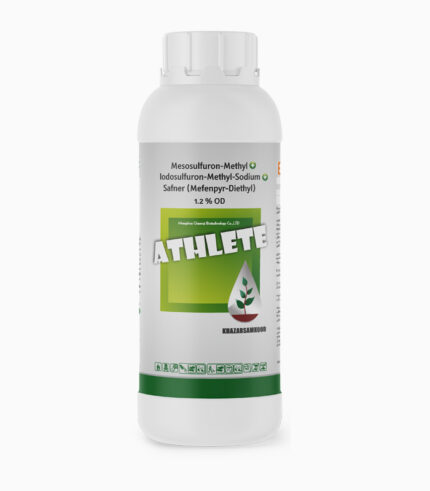
Athlete (Mesosulfuron + Iodo sulfuron + Mefenpyr diethyl 1.2% OD)
It is a selective, systemic post-emergence herbicide, absorbed by foliage and roots. It belongs to the class of sulfonylurea herbicides and inhibition of aceto-lactase synthase (ALS) or Acetohydroxyacid synthase (AHAS) mode of action. Its mode of action is by branched chain amino acid valine, leucine, and isoleucine synthesis inhibition.
Reviews
There are no reviews yet.