





Composition
| Minimum Total Nitrogen | 15.5% |
| Minimum Nitrate | 14.4% |
| Minimum ammonium | 1.1% |
| Minimum Calcium (Ca) | 19% |
| Minimum Calcium (CaO) | 26 % |
“NITRACAL GG”, provides nitrogen and calcium simultaneously to increase fruits quality This fertilizer not only helps improve calcium absorption into the plant structure but also facilitates calcium transport within the plant, ensuring its delivery to target organs such as roots, buds, and fruits. Another role of calcium is to improve the quality, shelf life, and marketability of fruits and agricultural products. It enhances firmness, making the products more appealing for the market while also extending their storage life. As a result, the quality of the products remains intact during transportation and storage.
| Minimum Total Nitrogen | 15.5% |
| Minimum Nitrate | 14.4% |
| Minimum ammonium | 1.1% |
| Minimum Calcium (Ca) | 19% |
| Minimum Calcium (CaO) | 26 % |
|
Crops |
Fertigation |
Foliar |
|
Fruit Trees |
20-40Kg per Ha |
3-5kg/1000 |
|
Field Crops |
10-30Kg per Ha |
2-3kg/1000 |
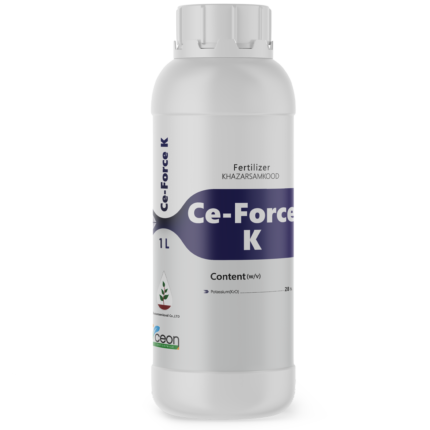
“Ce-Force K” contains potassium and phosphorus. The phosphorus in product is derived from phosphorous acid (H3PO3) origin, this fertilizer reduces flower and fruit drop, and also enhances quality and coloring of fruits. When the plant is exposed to diseases or environmental stress, some substances are naturally secreted in the plant (phytoalexins) that increase the resistance of the plant; use of “Ce-Force K” boosts the production of phytoalexins, so, consequently strengthens plant’s immune system.
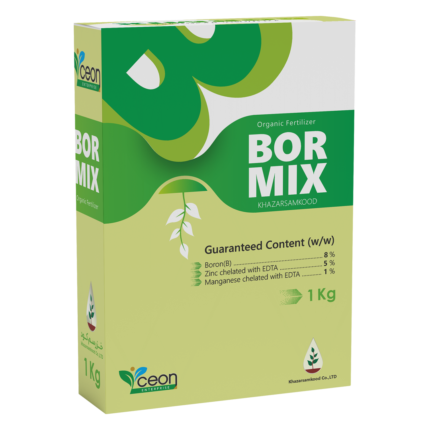
“Bormix” contains Boron, Zinc, and Manganese, recommended for foliar application during the vegetative and reproductive growth stages to provide essential micronutrients for plants. The presence of Boron is crucial for the formation and stability of cell walls, as well as for nutrient transport. Zinc is effective in producing growth hormones and enzyme activity in plants. Manganese directly impacts photosynthesis, lignin biosynthesis, fruit formation, and accelerates fruiting. Simultaneous provision of Boron, Zinc, and Manganese improves pollination, fertilization, fruit set, uniformity, and quality. Applying this fertilizer after harvest and before leaf drop or dormancy helps increase the resistance of flower buds to winter and spring cold. It is also beneficial for early-season feeding and tree growth.
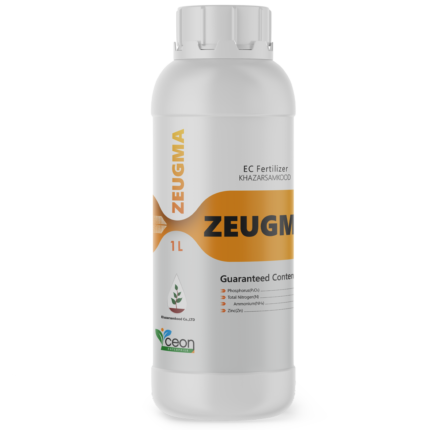
“Zeugma” contains nitrogen, phosphorus and zinc. By affecting the activity of vital enzymes and carbohydrate metabolism, zinc plays a role in maintaining cell membrane integrity, protein synthesis, regulation of auxin synthesis, and pollen formation. The application of this fertilizer promotes root growth and enhances water and nutrient uptake by the plant, leading to better seedling establishment at the early growth stages. It also improves flowering, fruit set, and reduces flower drop, ultimately increasing crop quality and yield.
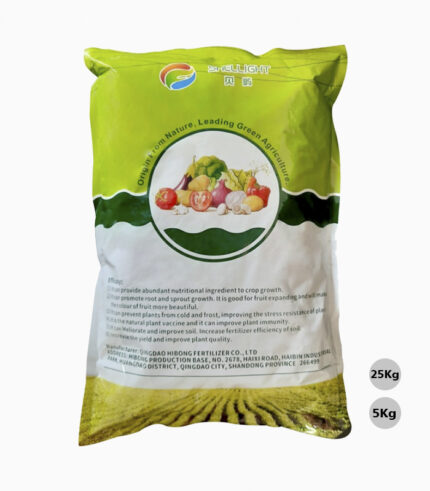
“NPK 12-5-45” contains nitrogen, phosphorus and high percentage of potassium with micronutrient minerals such as iron, manganese and zinc, which has been produced to provide the required elements of the plant during the period of reproductive growth and crop maturity. Consumption of this fertilizer improves the color, aroma, taste, as well as increasing the quantity of the crops.
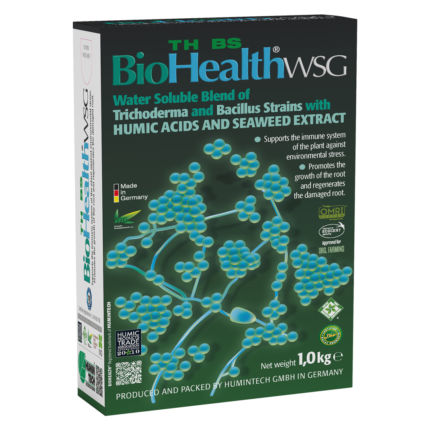
"BIOHEALTH(TH+BS)" contains Humic acid, Fulvic acid, Bacillus, Trichoderma, Seaweed extract Potassium and Organic matter. Trichoderma and Bacillus protect the plant as a biological barrier and increase the plant's resistance to stresses. Humic acid improves water holding capacity, soil structure and aeration, adjust the pH and helps the plant have stronger roots. Additionally, seaweed (Ascophyllum nodosum) along with Humic acid, improve growth of the plant.

Ironate" contains iron and potassium and also humic acid, fulvic acid, and organic matter. Iron is an essential element in plant growth and plays an important role in photosynthesis and chlorophyll production. In the case of iron deficiency, the photosynthesis process in the plant is disrupted and chlorosis appears in the leaves. Supplying iron through the soil is one of the main methods of supplying this element, which, in combination with organic matter, increases absorption, efficiency and finally increases the yield of crops. The movement of iron in plants is influenced by potassium. According to the time of potassium consumption, which is at the same time as the transfer of materials made in the leaves to the reproductive points of the plant. Therefore, potassium plays an important role in the final stage, which is the stage of increasing yield. Due to the alkalinity of the soil in most regions of the country, the absorption and duration of iron in the soil are very short, and even the plant cannot absorb it sufficiently. Therefore, the use of humic acid along with iron fertilizer is the best recommendation for treating iron deficiency in plants and providing. This is because by acidifying and balancing the pH of the soil, iron fertilizer can be absorbed with the greatest amount.
Reviews
There are no reviews yet.