



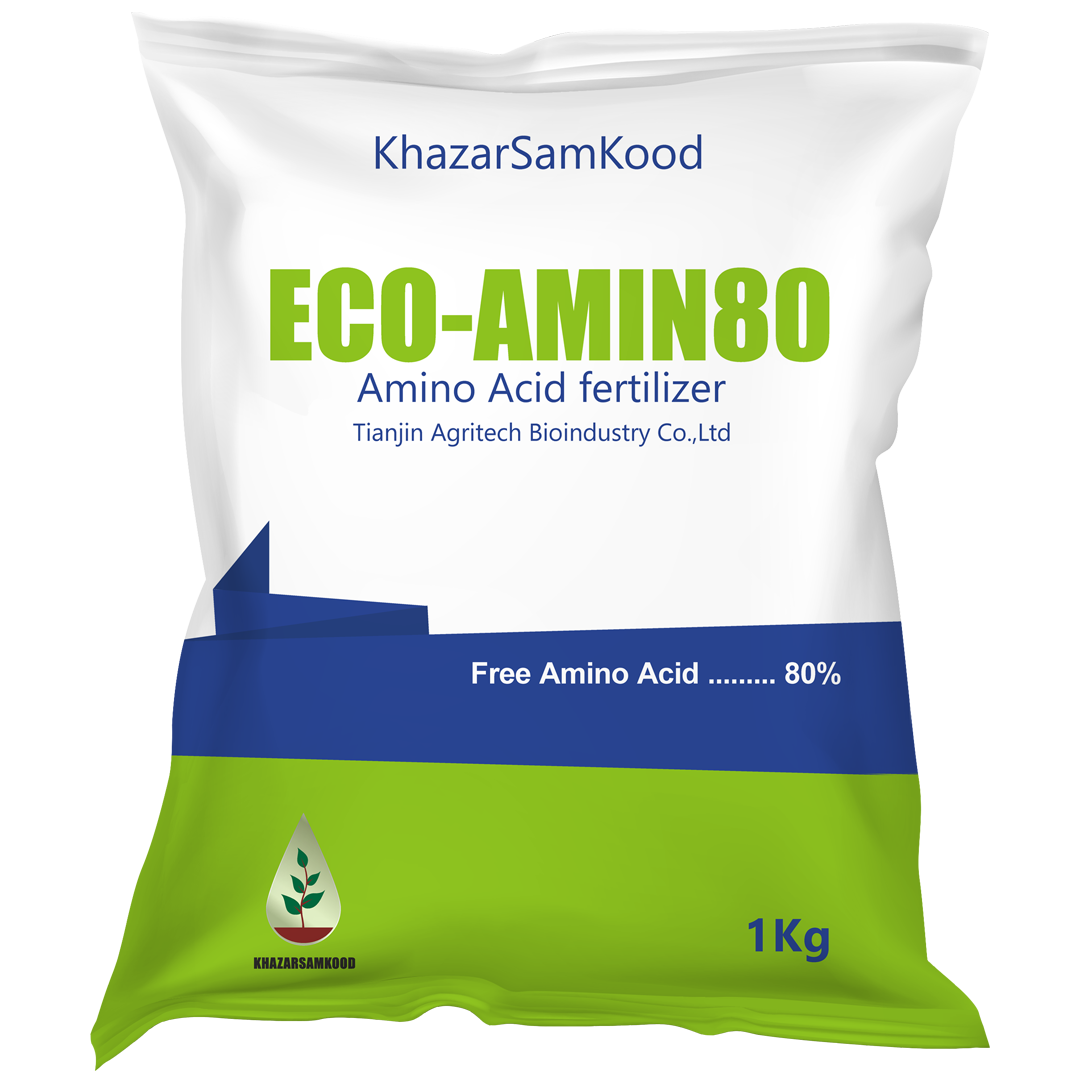

Composition
|
Free Amino Acid |
80 % |
“ECO-AMIN80” contains a high concentration of amino acids. The chelating properties of amino acids enhance the absorption of other essential nutrients needed by plants, leading to increased greenness, chlorophyll production, organ formation, and balanced plant growth. Additionally, it plays a crucial role in protein synthesis, plant hormone production, and the regulation of stomatal activity, which strengthens the plant’s resistance to environmental stresses. Ultimately, this fertilizer accelerates ripening and improves the post-harvest shelf life of agricultural products.
|
Free Amino Acid |
80 % |
|
Crops |
Time of application |
Foliar |
Fertigation |
|
Fruit trees |
During growth season/ especially during flowering and fruiting |
1-1.5Kg/1000 L of water |
3-5kg per Ha |
|
Field Crops |
Growth season (as needed) |
0.5-1Kg/1000 L of water |
2-4kg per Ha |
|
Vegetables |
After transplantation/ repetition during growth season |
0.5-1Kg/1000 L of water |
2-4kg per Ha |
*repeat as needed
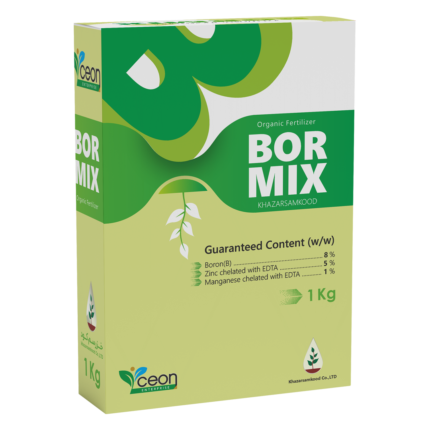
“Bormix” contains Boron, Zinc, and Manganese, recommended for foliar application during the vegetative and reproductive growth stages to provide essential micronutrients for plants. The presence of Boron is crucial for the formation and stability of cell walls, as well as for nutrient transport. Zinc is effective in producing growth hormones and enzyme activity in plants. Manganese directly impacts photosynthesis, lignin biosynthesis, fruit formation, and accelerates fruiting. Simultaneous provision of Boron, Zinc, and Manganese improves pollination, fertilization, fruit set, uniformity, and quality. Applying this fertilizer after harvest and before leaf drop or dormancy helps increase the resistance of flower buds to winter and spring cold. It is also beneficial for early-season feeding and tree growth.

Ironate" contains iron and potassium and also humic acid, fulvic acid, and organic matter. Iron is an essential element in plant growth and plays an important role in photosynthesis and chlorophyll production. In the case of iron deficiency, the photosynthesis process in the plant is disrupted and chlorosis appears in the leaves. Supplying iron through the soil is one of the main methods of supplying this element, which, in combination with organic matter, increases absorption, efficiency and finally increases the yield of crops. The movement of iron in plants is influenced by potassium. According to the time of potassium consumption, which is at the same time as the transfer of materials made in the leaves to the reproductive points of the plant. Therefore, potassium plays an important role in the final stage, which is the stage of increasing yield. Due to the alkalinity of the soil in most regions of the country, the absorption and duration of iron in the soil are very short, and even the plant cannot absorb it sufficiently. Therefore, the use of humic acid along with iron fertilizer is the best recommendation for treating iron deficiency in plants and providing. This is because by acidifying and balancing the pH of the soil, iron fertilizer can be absorbed with the greatest amount.
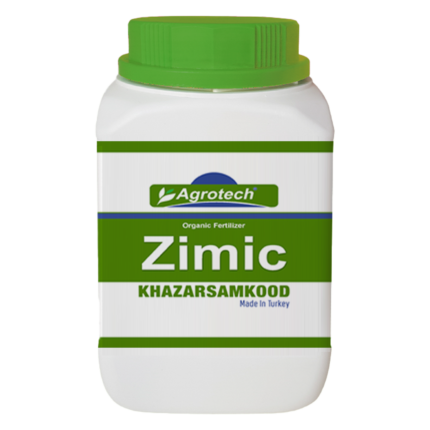
"Zimic" contains zinc and potassium and also humic acid, fulvic acid, and organic matter. One of the important functions of zinc is the production of plant proteins, and this element plays an effective role in production of growth hormones auxin and indole acetic acid, which ultimately leads to the improvement of photosynthesis and the increase of chlorophyll in the plant. Zinc plays an essential role in insemination and fertility and improves flowering and reduces flower and fruit drop. The potassium present in this fertilizer helps to absorb and transport zinc in the plant, and as a result, increases the concentration of zinc in the reproductive organs of the plant. The lack of zinc in the agricultural soils of the country is observed for several reasons, including the high consumption of phosphate fertilizers, the increase of soil lime and alkaline, the lack of organic matter in the soil, and high concentrations of bicarbonate in irrigation water, so the use of humic acid along with zinc fertilizer The best advice for supplying zinc is in plants.
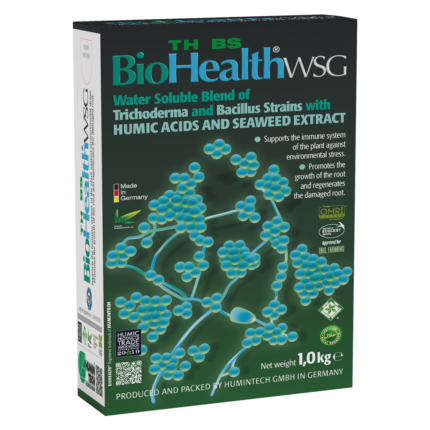
"BIOHEALTH(TH+BS)" contains Humic acid, Fulvic acid, Bacillus, Trichoderma, Seaweed extract Potassium and Organic matter. Trichoderma and Bacillus protect the plant as a biological barrier and increase the plant's resistance to stresses. Humic acid improves water holding capacity, soil structure and aeration, adjust the pH and helps the plant have stronger roots. Additionally, seaweed (Ascophyllum nodosum) along with Humic acid, improve growth of the plant.
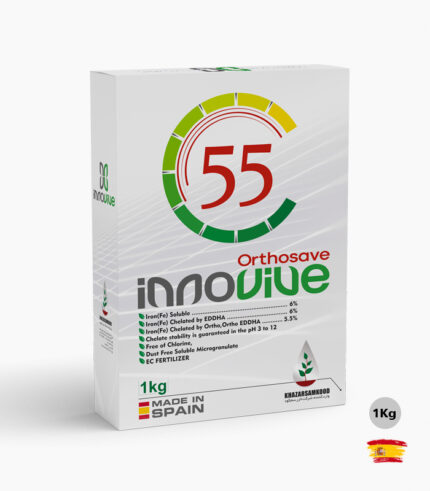
" Orthosave 55 (INNOVIVE)" contains soluble Fe, chelated with EDDHA and with ortho-ortho isomer. The iron element is effective in activating more than 200 enzymes and is known to be the most functioning micronutrient in plant. EDDHA is the most effective chelating agent for alkaline soils that keeps iron active for a long time. The ortho-ortho spatial shape of the Fe-EDDHA molecule strongly protects the iron ions from oxidation and guarantees the amount of plant uptake.
“Siliguard” provides potassium and silicon at the same time to the plants. Simultaneous supply of the two elements leads to the strength of plants & tissues and increases plants resistance to the environmental stress. It increases the thickness, firmness, and plant leaf strength and effective role in improving the quality and firmness of fruit texture as well as increasing the shelf life of the products. Siliguard reduces the sunburn effects when the temperature and radiation are high in summer.
Reviews
There are no reviews yet.