



Composition
|
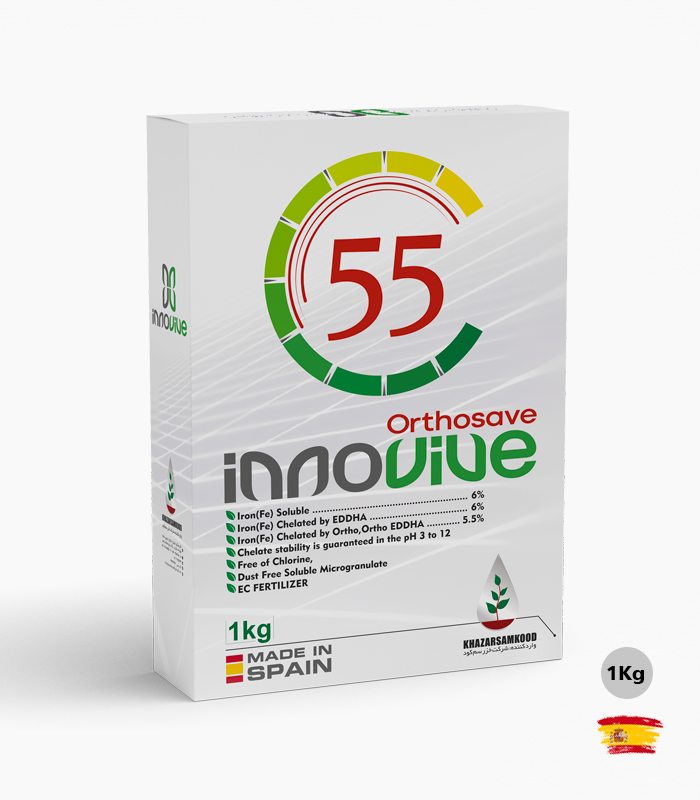
Iron (Fe) Soluble |
6% |
|
Iron (Fe) Chelated by EDDHA |
6% |
|
Iron (Fe) Chelated by Ortho-Ortho EDDHA |
5.5% |
” Orthosave 55 (INNOVIVE)” contains soluble Fe, chelated with EDDHA and with ortho-ortho isomer. The iron element is effective in activating more than 200 enzymes and is known to be the most functioning micronutrient in plant. EDDHA is the most effective chelating agent for alkaline soils that keeps iron active for a long time. The ortho-ortho spatial shape of the Fe-EDDHA molecule strongly protects the iron ions from oxidation and guarantees the amount of plant uptake.
|
Iron (Fe) Soluble |
6% |
|
Iron (Fe) Chelated by EDDHA |
6% |
|
Iron (Fe) Chelated by Ortho-Ortho EDDHA |
5.5% |
|
Crops |
Time of Application | Application Rate | Method |
|
Field Crops, Fruit tree and Citrus |
Nursery |
4-12gr Per Tree |
Fertigation |
|
Fruit Bering |
24-40gr Per Tree |
||
|
trees |
40-80gr Per Tree |
||
|
Vegetables and Cereals |
Fruit Bering |
2-3Kg per Ha (deficiency ) 1Kg per Ha (Repeat every 15day depending on the plant’s needs) |
|
|
EDDHA iron chelate Foliar application is not recommended |
|||
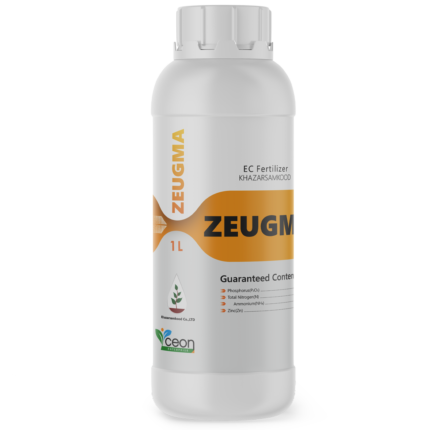
“Zeugma” contains nitrogen, phosphorus and zinc. By affecting the activity of vital enzymes and carbohydrate metabolism, zinc plays a role in maintaining cell membrane integrity, protein synthesis, regulation of auxin synthesis, and pollen formation. The application of this fertilizer promotes root growth and enhances water and nutrient uptake by the plant, leading to better seedling establishment at the early growth stages. It also improves flowering, fruit set, and reduces flower drop, ultimately increasing crop quality and yield.
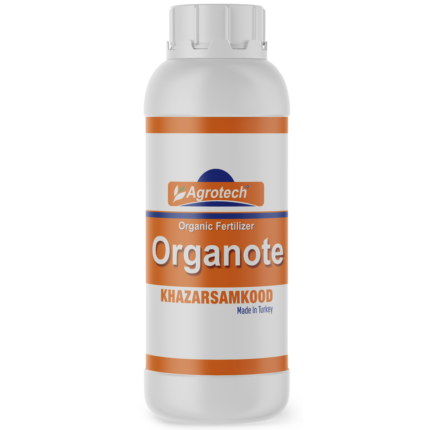
"Organote" contains potassium and also organic matter, which is produced through hydrolysis of plant-based raw materials aimed for fertigation (irrigation). Since it contains special compounds, it can be used in different growth stages for different purposes, it will also help the plants save energy for some more crucial physiological processes and will result in more harmonized growth between roots and aerial parts of plants. Potassium has the highest mobility in the plant among other elements needed by plants and has a special role in helping to absorb other elements. Organic matter in this fertilizer enhances the absorption of most nutrients, it as well improves the physical structure of soil, increase soil fertility and the population of microorganisms.
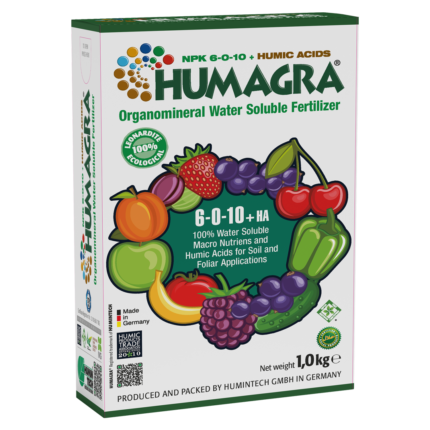
"HUMAGRA" contains Humic acid, Fulvic acid, Potassium, Nitrogen and Sulfur. Humic acid increases water holding capacity in the soil, CEC and improves element absorption. Additionally, it causes to reducing stresses effects and provides a suitable environment for better root growth and plant establishment. This compound provides high crop’s yield.
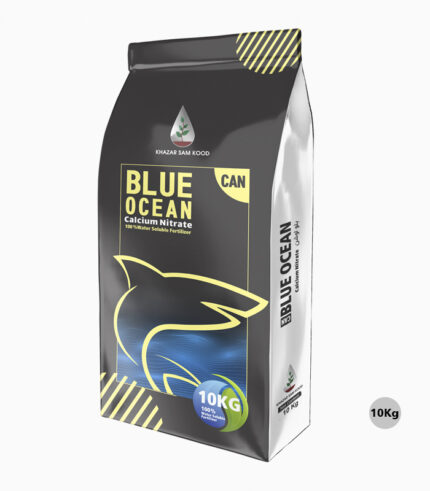
"Calcium Nitrate -Blue Ocean" is a water-soluble fertilizer that provides nitrogen and calcium simultaneously to increase fruits quality and prevent blossom end rot. One of the important features of Calcium Nitrate is not easily removed from reach of plant and a large amount is absorbed by roots of plant and a small amount is absorbed by surface of soil particles. This fertilizer increases absorption of potassium, calcium and magnesium cations. Calcium is a non-mobile element which is transported very little after entering the plant body; In addition to helping better absorption of calcium into the plant body, “Calcium Nitrate -Blue Ocean” also facilitates the transfer of calcium within the plant to its target organs such as fruits, roots and buds. Another role of calcium is to increase the quality, shelf life and marketability of the crops.

" Kinghami" contains a variety of nutritional elements and supplementary ingredients such as nitrogen, potassium, seaweed, alginic acid, amino acid and micro elements. Amino acids and alginic acid in this product are strong anti-stress agents which increase plant resistance to environmental stresses.

“Cristaland NP NK 10-0-40” contains nitrogen and high percentage of potassium, which has been produced to provide the required elements of the plant during the period of reproductive growth and crop maturity. Consumption of this fertilizer improves the color, aroma, taste, as well as increasing the quantity and quality of the product.
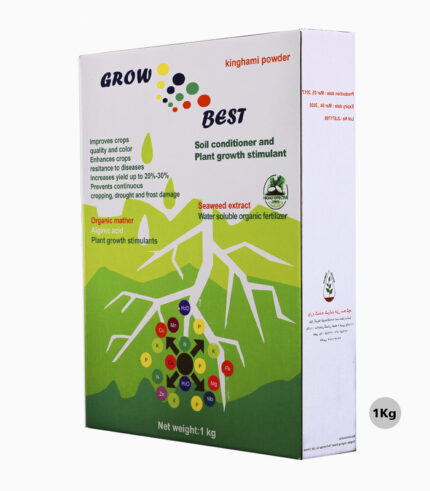
" GrowBest " contains a variety of nutritional elements and supplementary ingredients such as nitrogen, potassium, seaweed, alginic acid, amino acid and micro elements. Amino acids and alginic acid in this fertilizer are strong anti-stress agents which increase plant resistance to environmental stresses. As a result, to use GrowBest, increase coloration and yield
Reviews
There are no reviews yet.