

Flonicamid 50% WG

Follow me (Flubendiamide 20% WG)
"Flubendiamide" is a contact and ingestion insecticide with penetrating properties, belonging to the diamides group with a new mode of action. It effects on ryanodine receptors in the muscle cells which causing muscle contraction and paralysis of the target pests."Follow me" stops the feeding of target pests within one to two hours after application and ultimately leads to their death within a few days. It is recommended and used as one of the effective insecticides for controlling the larvae of target pests.
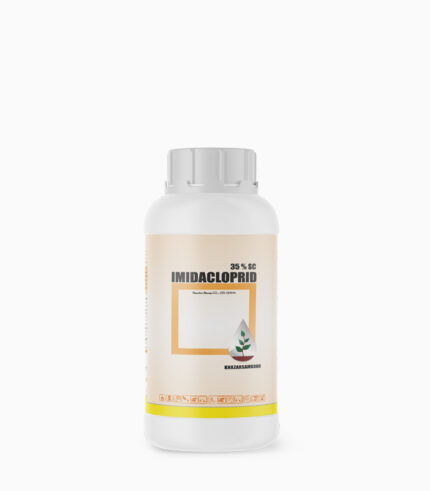
Imidacloprid 35% SC
It is a systemic insecticide with contact, ingestion mode of action. It belongs to the neonicitinoid, which affects nicotinic acetylcholine receptors in the central nervous system of insects. Imidacloprid is systemically absorbed from the root and released as an acropetal mechanism in the plant. The systemic effects of Imidacloprid do not diminish its effect because of rainfall and rinsing on the plant surface.
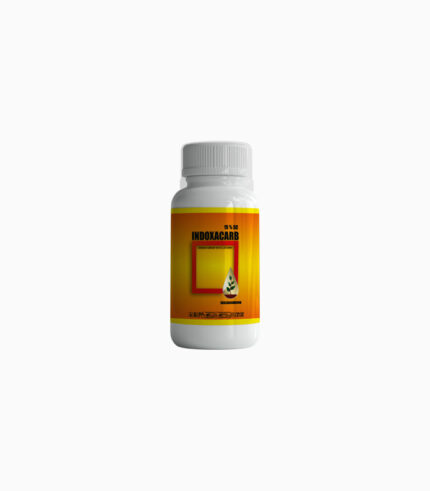
Indoxacarb 15% SC
It is a non-systemic insecticide with contact, ingestion mode of action. It belongs to oxadiazine. By blocking sodium channels in axons of nerve cells, Indoxacarb causes paralysis and stops feeding. 2 to 4 hours after foliar application, feeding disorder of the larvae, and their paralysis occurs, ultimately causing the death of the target larvae.
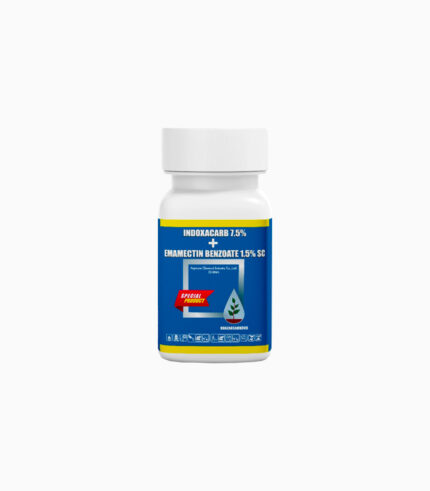
Indoxacarb +Emamectin Benzoate 9% SC
It is a non-systemic insecticide with contact, ingestion mode of action. It belongs to oxadiazine and avermectin. By blocking sodium channels in axons of nerve cells, Indoxacarb causes paralysis and stops feeding. Emamectin Benzoate inhibits muscle contraction, causing a continuous flow of chlorine ions in the GABA and H-Glutamate receptor sites. One of the features of this insecticide is the synergy of the two substances in the composition. The best time of use is early larval ages. It is recommended to control insects resistant to organophosphorus, carbamate and synthetic pyrethroids.
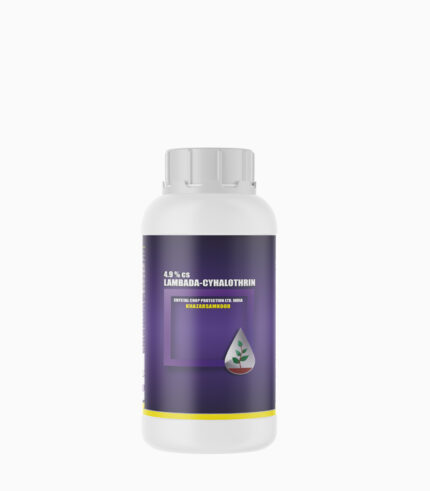
lambada-cyhalothrin 4.9% CS
It is a non-systemic insecticide with contact, ingestion, repelling and long-lasting. mode of action. It belongs to the pyrethroids, which disrupt sodium channels in the axon membrane and has a knock-down property that causes paralysis and death of the insect. lambada-cyhalothrin has a quick action on pests.
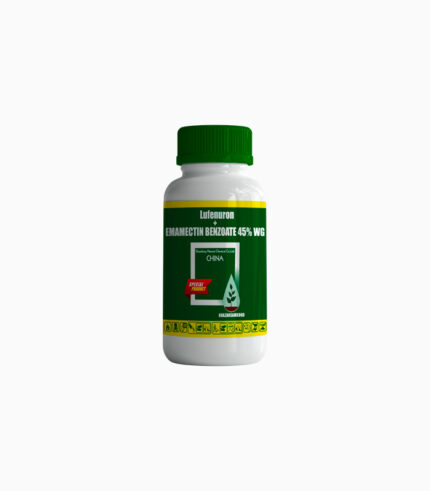
Lufenuron+Emamectin Benzoate 45%WG
It is a semi-systemic insecticide with contact and ingestion mode of action. It belongs to the benzoylurea (Lefenuron 40%) and avermectin (emamectin benzoate 5%). Lufenuron is a hormonal insecticide, which causes disturbance in chitin synthesis in larvae (ages 1 to 3 - infertility of insect eggs). Emamectin Benzoate inhibits muscle contraction, causing a continuous flow of chlorine ions in the GABA and H-Glutamate receptor sites. This insecticide is effective on larvae and has a knock down effect on adult insects. It is recommended to control insects resistant to organophosphorus and pyrethroids.
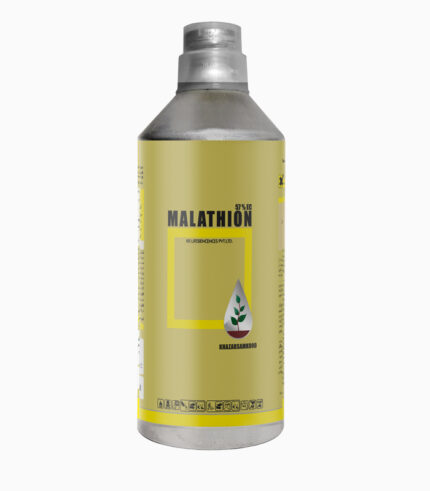
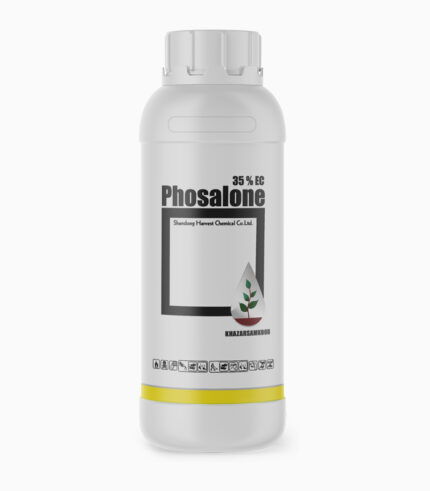

Pirimicarb 50% WG
It is a systemic and contact and ingestion with fumigant mode of action insecticide. It belongs to carbamate, which is an inhibitor of the cholinesterase enzyme in the nervous system, which is destroyed by the accumulation of acetylcholine in synapses, a living insect, due to repeated stimulation and convulsions. Absorption by roots and transport in xylem.