





| Pesticide class | Insecticides |
|---|---|
| Active ingredient | Pirimicarb |
| Formulation | 50%WG |
| Resistance group | IRAC:1A |
| PHI | 7-14day |
| Acute Oral LD 50 for Rats | 142mg/kg |
Pirimicarb 50% WG
It is a systemic and contact and ingestion with fumigant mode of action insecticide. It belongs to carbamate, which is an inhibitor of the cholinesterase enzyme in the nervous system, which is destroyed by the accumulation of acetylcholine in synapses, a living insect, due to repeated stimulation and convulsions. Absorption by roots and transport in xylem.
Additional information
Target and Dosage
Target and Dosage
|
Crop |
Pest |
Dosage |
| Tobacco | (Myzus persicae) |
0.5-0.7/1000 |
|
Vegetable |
(Aphis gossypii Glover) |
|
|
Rose |
(Macrosiphum rosae) |
Related products
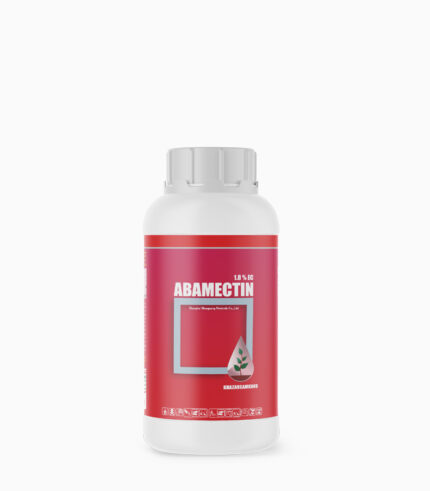
Abamectin 1.8%EC
It is penetration (semi-systemic) insecticide and acaricide with contact, ingestion mode of action. It belongs to the avermectin that binds to the glutamate-gated chloride channels that are found in invertebrate nerve and muscle cells of insects, causing their death. Abamectin is a natural bacterial fermentation product of the soil actinomycete, Streptomyces avermitilis.
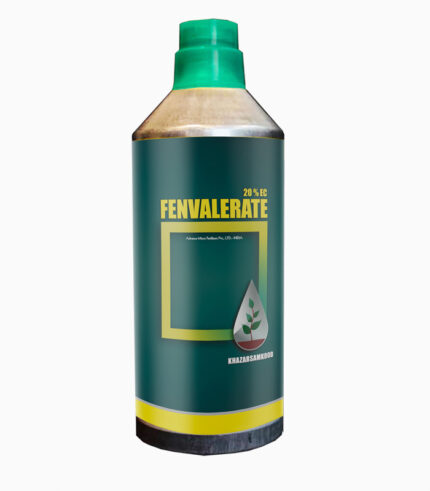
Fenvalerate 20% EC
It is a non-systemic insecticide with contact, ingestion mode of action. It belongs to the pyrethroids which disrupt sodium channels in the axon membrane and has a knock-down property that causes the insect to become paralyzed and fall quickly. Fenvalerit has a quick effect on a wide range of pests of different agricultural products.

Flonicamid 50% WG
It is a systemic and feeding inhibitor with long-term control insecticide. It belongs to the pyridine carboxamide group, which, by acting on the ion channels in the oral region of the target pest, disrupts the feeding activity of the insect, and this disorder continues until the death of the insect.
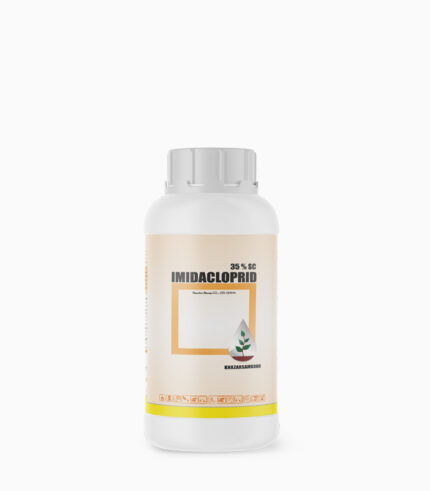
Imidacloprid 35% SC
It is a systemic insecticide with contact, ingestion mode of action. It belongs to the neonicitinoid, which affects nicotinic acetylcholine receptors in the central nervous system of insects. Imidacloprid is systemically absorbed from the root and released as an acropetal mechanism in the plant. The systemic effects of Imidacloprid do not diminish its effect because of rainfall and rinsing on the plant surface.
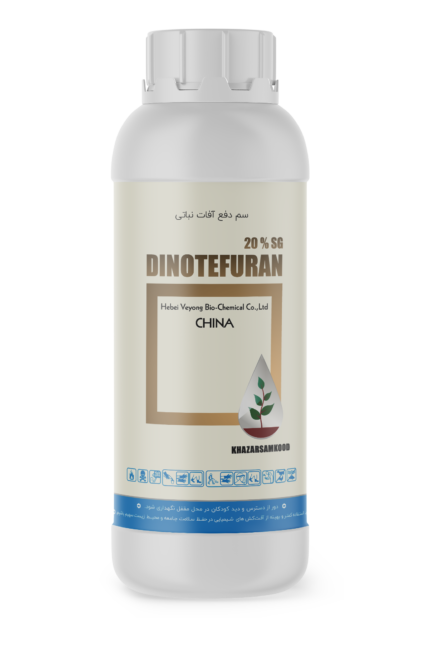
Dinotefuran 20% SG
It is a systemic insecticide with contact, ingestion mode of action. It belongs to the neonicitinoid, which affects nicotinic acetylcholine receptors in the central nervous system of insects. Dinotefuran causes the death of insects by preventing insects from feeding within a few hours after application. After spraying, it is absorbed both through the leaves and through the roots and is transferred to all the organs of the plant.
Reviews
There are no reviews yet.