




| Pesticide class | Herbicide |
|---|---|
| Active ingredient | Bentazone |
| Formulation | 48%SL |
| Resistance group | HRAC:C3,6 |
| PHI | PHI for this Herbicide has not been reported |
| Acute Oral LD 50 for Rats | 1480mg/kg |
Bentazone 48% SL
It is a selective, contact herbicide of the benzothiodiazinone group, which inhibits photosynthesis at photosystem II. This herbicide is absorbed by the plant leaves. This leads to chlorosis and necrosis of weed leaves after one to two weeks.
Additional information
Target and Dosage
Target and Dosage
| Crop | Weed | Dosage |
| Rice | Broadleaf weeds & Sedge | 3-5Lit per Ha |
| Soybean | Broadleaf weeds | 2-2.5Lit per Ha |
| Alfalfa and clover | Broadleaf weeds | 2.5-3Lit per Ha |
| Bean | Broadleaf weeds | 2.5Lit per Ha |
Related products
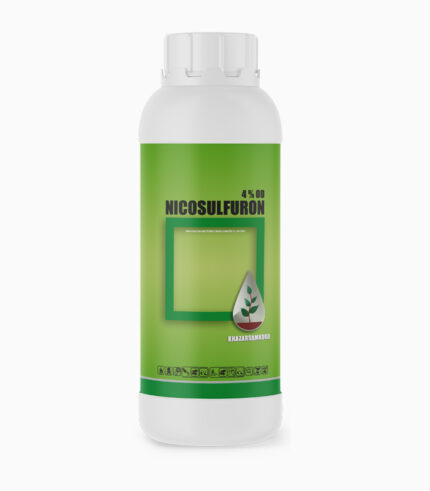
Nicosulfuron 4% OD
It is a selective, systemic post-emergence herbicide, absorbed by foliage and roots. It belongs to the class of sulfonylurea herbicides and inhibition of aceto-lactase synthase (ALS) or Acetohydroxyacid synthase (AHAS) mode of action. Its mode of action is by branched chain amino acid valine, leucine, and isoleucine synthesis inhibition.

Cyhalofop-Butyl+ Penoxsulam 6% OD
Cyhalofop-Butyl is a selective, systemic post-emergence herbicide. It belongs to the class of cyclohexanediones herbicides and inhibition of acetyl CoA carboxylase (ACCase Inhibitors. Its mode of action is growing points to inhibit the biosynthesis of plant branched-chain fatty acids). Penoxsulam is a selective, systemic post-emergence herbicide, absorbed by foliage and roots. It belongs to the class of sulfonylurea herbicides and inhibition of aceto-lactase synthase (ALS) or Acetohydroxyacid synthase (AHAS) mode of action. Its mode of action is by branched chain amino acid valine, leucine, and isoleucine synthesis inhibition. Cyhalofop butyl+ Penoxolam effectively controls annual weeds in rice fields.
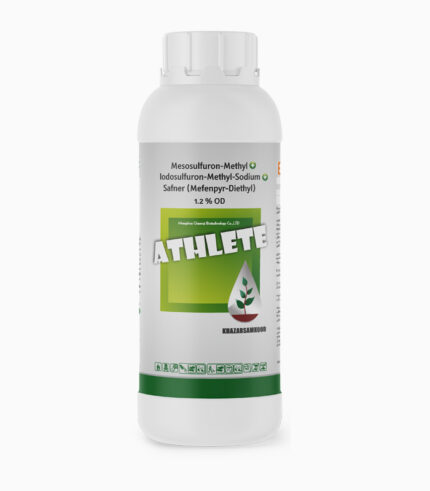
Athlete (Mesosulfuron + Iodo sulfuron + Mefenpyr diethyl 1.2% OD)
It is a selective, systemic post-emergence herbicide, absorbed by foliage and roots. It belongs to the class of sulfonylurea herbicides and inhibition of aceto-lactase synthase (ALS) or Acetohydroxyacid synthase (AHAS) mode of action. Its mode of action is by branched chain amino acid valine, leucine, and isoleucine synthesis inhibition.
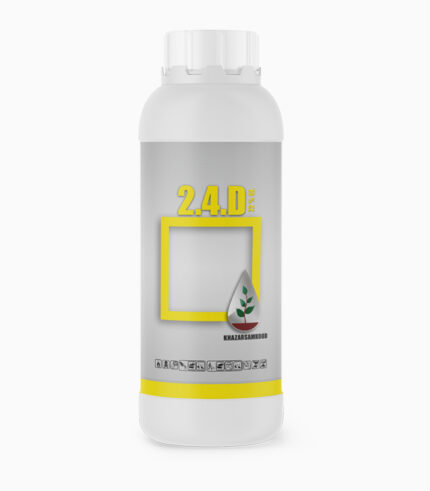
2,4-D 72%SL
It is a selective-systemic and hormonal herbicide from the phenoxy-carboxylates group and a growth inhibitor. Auxin-like herbicides cause growth disturbance through binding to auxin binding proteins, which leads to twisting, thickening and elongation of leaves and stems. This herbicide is absorbed by the aerial parts of the plant.
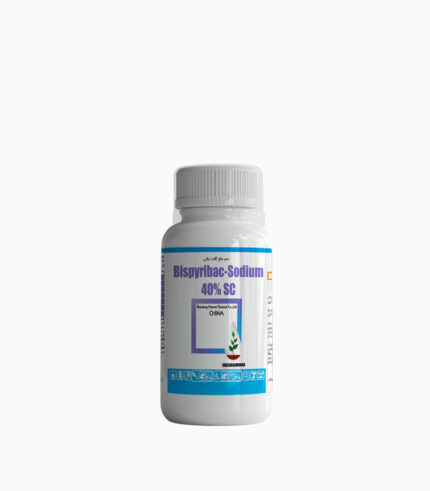
Bispyribac-Sodium 40% SC
It is a selective, systemic post-emergence herbicide. It belongs to the class of pyrimidinyloxybenzoic acid herbicides and inhibition of aceto-lactase synthase (ALS) or Acetohydroxyacid synthase (AHAS) mode of action. Its mode of action is by branched chain amino acid valine, leucine, and isoleucine synthesis inhibition. This herbicide is absorbed by the aerial parts and roots of the plant.
Reviews
There are no reviews yet.