




| Pesticide class | Insecticides |
|---|---|
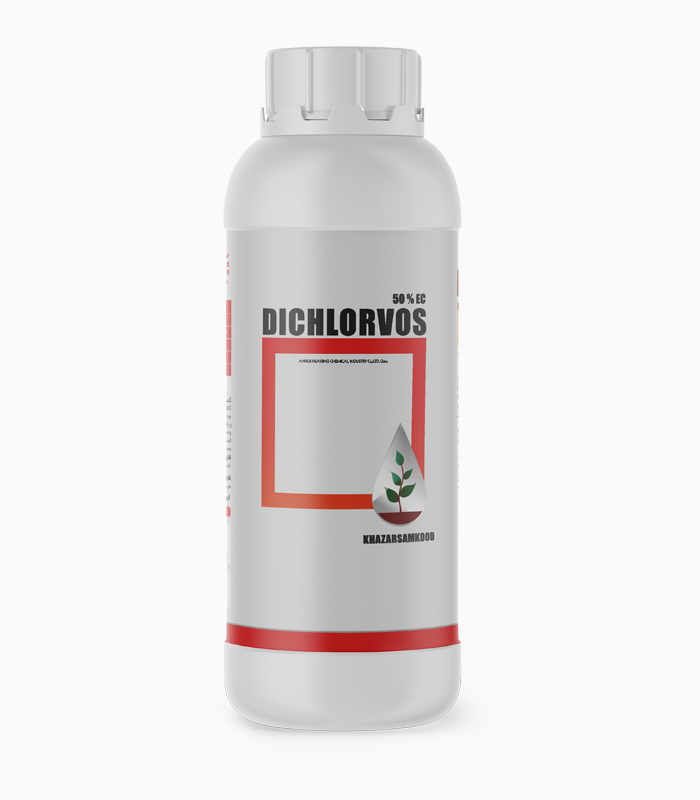
| Active ingredient | Dichlorvos |
| Formulation | 50 |
| Resistance group | IRAC:1B |
| PHI | 3day |
| Acute Oral LD 50 for Rats | 80mg/kg |
Dichlorvos 50%EC
It is a non-systemic and penetrating insecticide with contact, ingestion and fumigant mode of action. It belongs to the organophosphate, neurotoxin that acts as a cholonesterase inhibitor in the insect nervous system.
Additional information
Target and Dosage
Target and Dosage
|
Crop |
Pest | Dosage |
| Fruit trees | (Aphis pomi),(Taeniothrips inconsequens),(Bemisia tabaci) | 1-2/1000 |
| Tea and Vegetable | (Aphididae),(Thrips tabaci),(Bemisia tabaci) |
0.5-1/1000 |
| Vegetable | (Aphis gossypii Glover), (Thrips tabaci),(Bemisia tabaci) |
1.5-2/1000 |
| Greenhouse | – |
0.8/1000 |
Related products
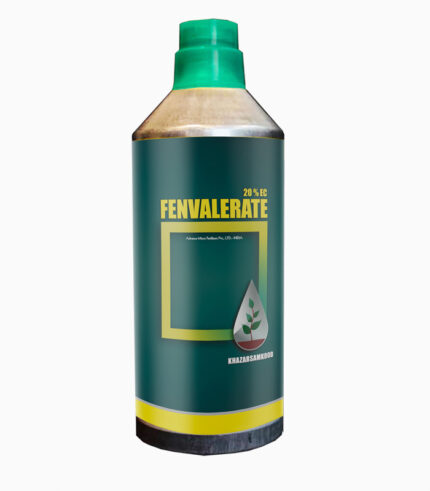
Fenvalerate 20% EC
It is a non-systemic insecticide with contact, ingestion mode of action. It belongs to the pyrethroids which disrupt sodium channels in the axon membrane and has a knock-down property that causes the insect to become paralyzed and fall quickly. Fenvalerit has a quick effect on a wide range of pests of different agricultural products.

Flonicamid 50% WG
It is a systemic and feeding inhibitor with long-term control insecticide. It belongs to the pyridine carboxamide group, which, by acting on the ion channels in the oral region of the target pest, disrupts the feeding activity of the insect, and this disorder continues until the death of the insect.
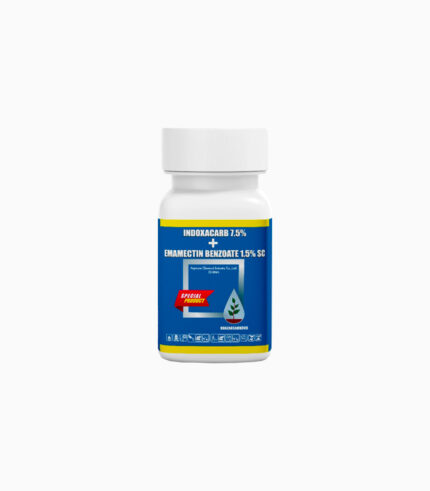
Indoxacarb +Emamectin Benzoate 9% SC
It is a non-systemic insecticide with contact, ingestion mode of action. It belongs to oxadiazine and avermectin. By blocking sodium channels in axons of nerve cells, Indoxacarb causes paralysis and stops feeding. Emamectin Benzoate inhibits muscle contraction, causing a continuous flow of chlorine ions in the GABA and H-Glutamate receptor sites. One of the features of this insecticide is the synergy of the two substances in the composition. The best time of use is early larval ages. It is recommended to control insects resistant to organophosphorus, carbamate and synthetic pyrethroids.
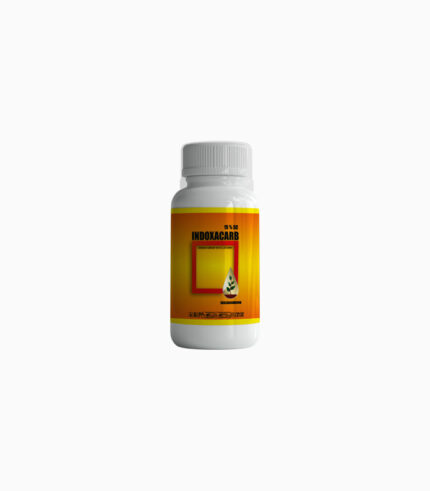
Indoxacarb 15% SC
It is a non-systemic insecticide with contact, ingestion mode of action. It belongs to oxadiazine. By blocking sodium channels in axons of nerve cells, Indoxacarb causes paralysis and stops feeding. 2 to 4 hours after foliar application, feeding disorder of the larvae, and their paralysis occurs, ultimately causing the death of the target larvae.
Reviews
There are no reviews yet.